Emilio Ferrara is a Professor of Computer Science at the Thomas Lord Department of Computer Science (USC Viterbi), Communication (USC Annenberg), and Preventive Medicine (Keck School of Medicine of USC). He’s also a Principal Scientist at the University of Southern California‘s Information Sciences Institute, and Principal Investigator of the Machine Intelligence and Data Science (MINDS) group. The HUMANS LAB‘s research core is Humans & Machines + Networks & Social Systems and this is our team:
Core HUMANS Lab Members
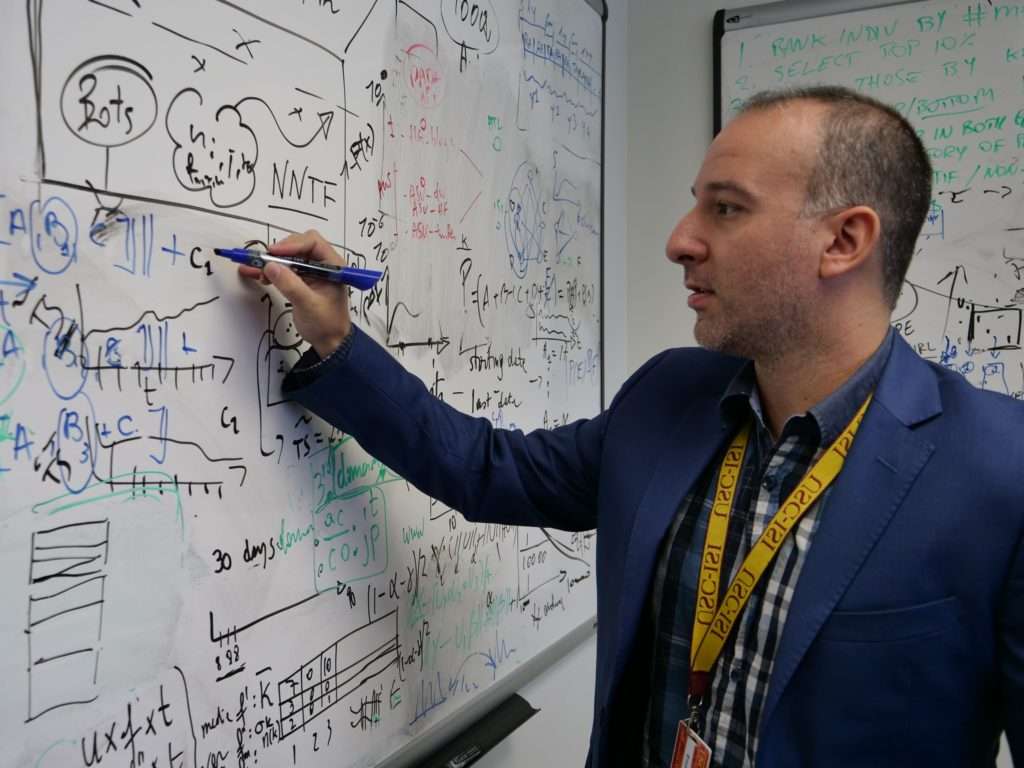
Emilio Ferrara (PI, Professor)
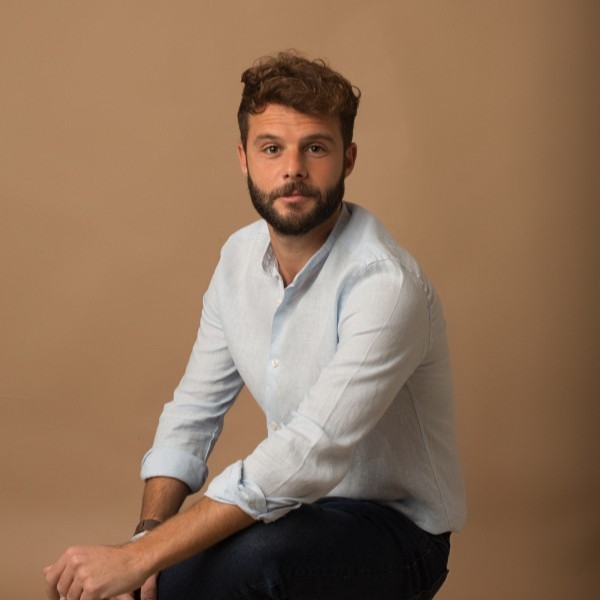
Luca Luceri
(Lead Scientist, Research Asst. Prof.)
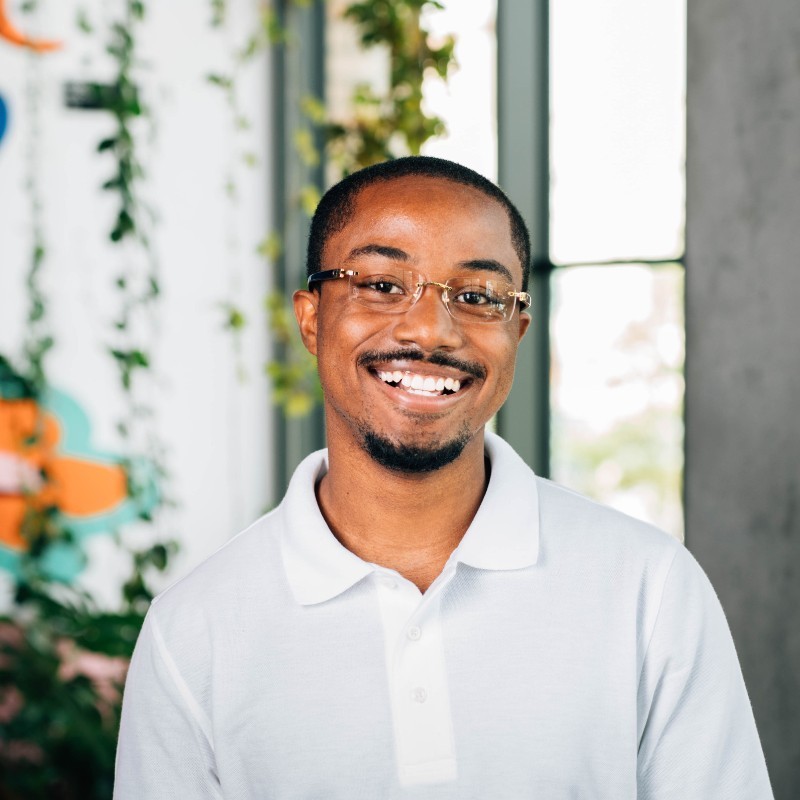
Charles (Duke) Bickham
(CS Ph.D.)
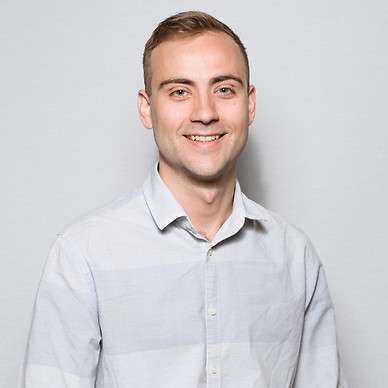
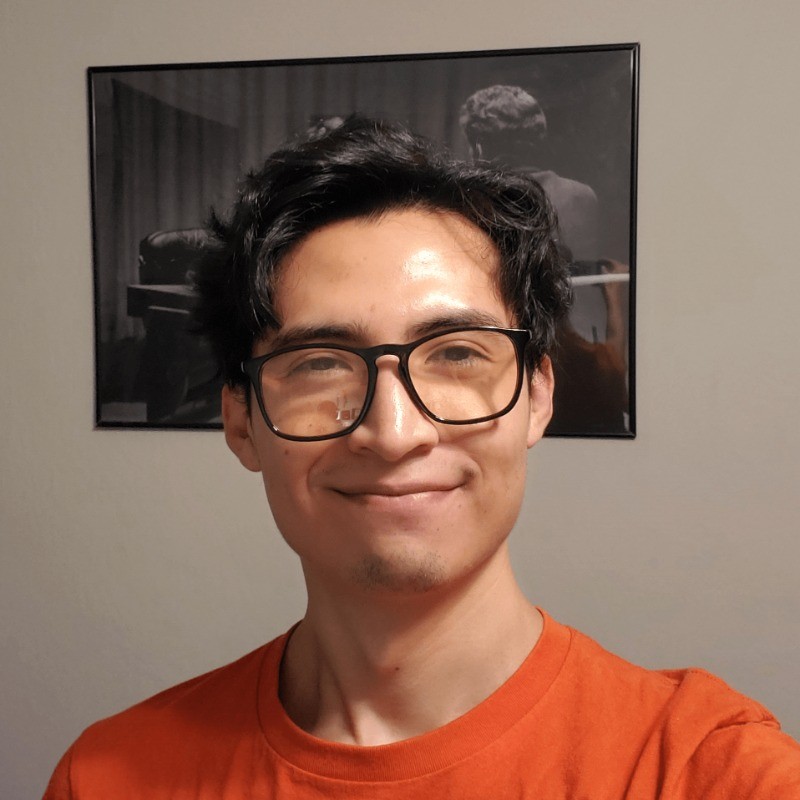
Alex Bisberg
(CS Ph.D.)
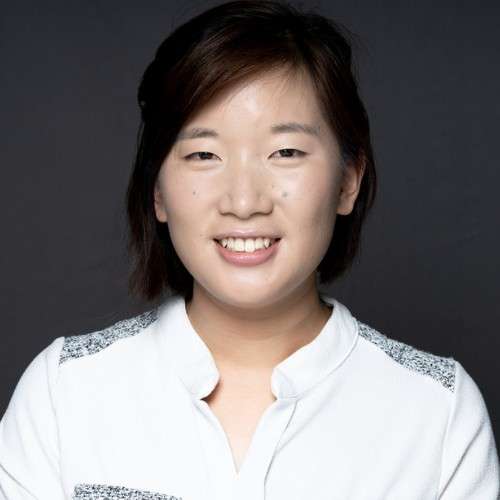
Eun Cheol Choi
(Comm Ph.D.)
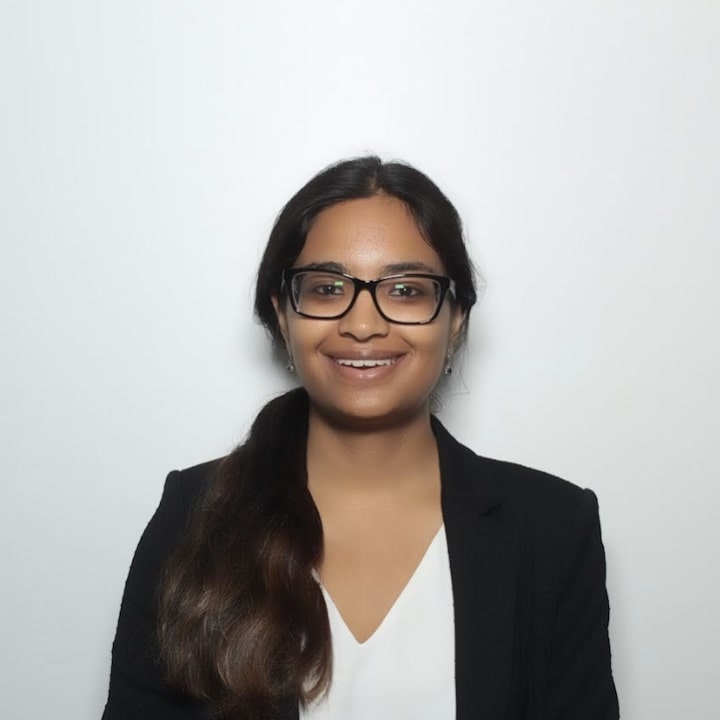
Priyanka Dey
(CS Ph.D.)

Patrick Gerard
(CS Ph.D.)
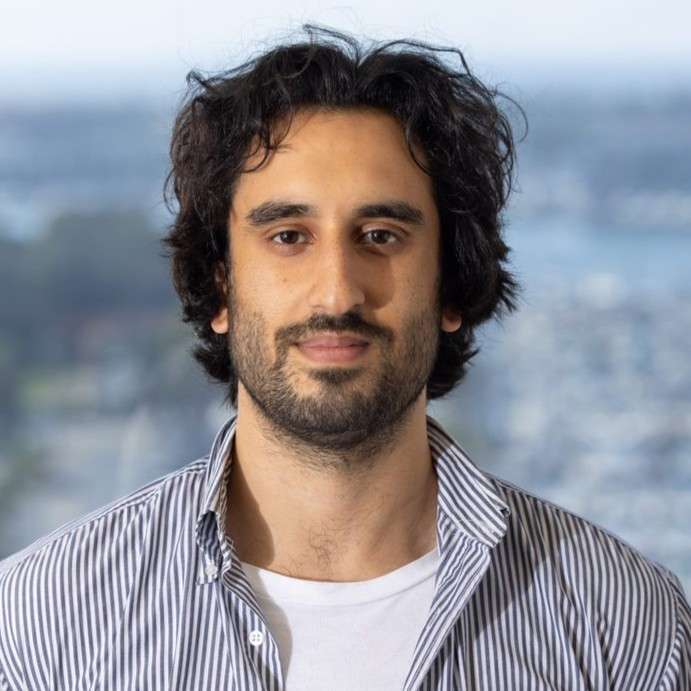
Bijean Ghafouri
(PolSci Ph.D.)
Bumju Jung
(Comm Ph.D.)
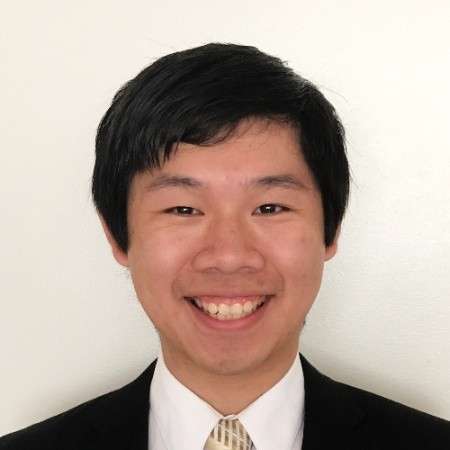
Hsien-Te Kao
(CS Ph.D.)
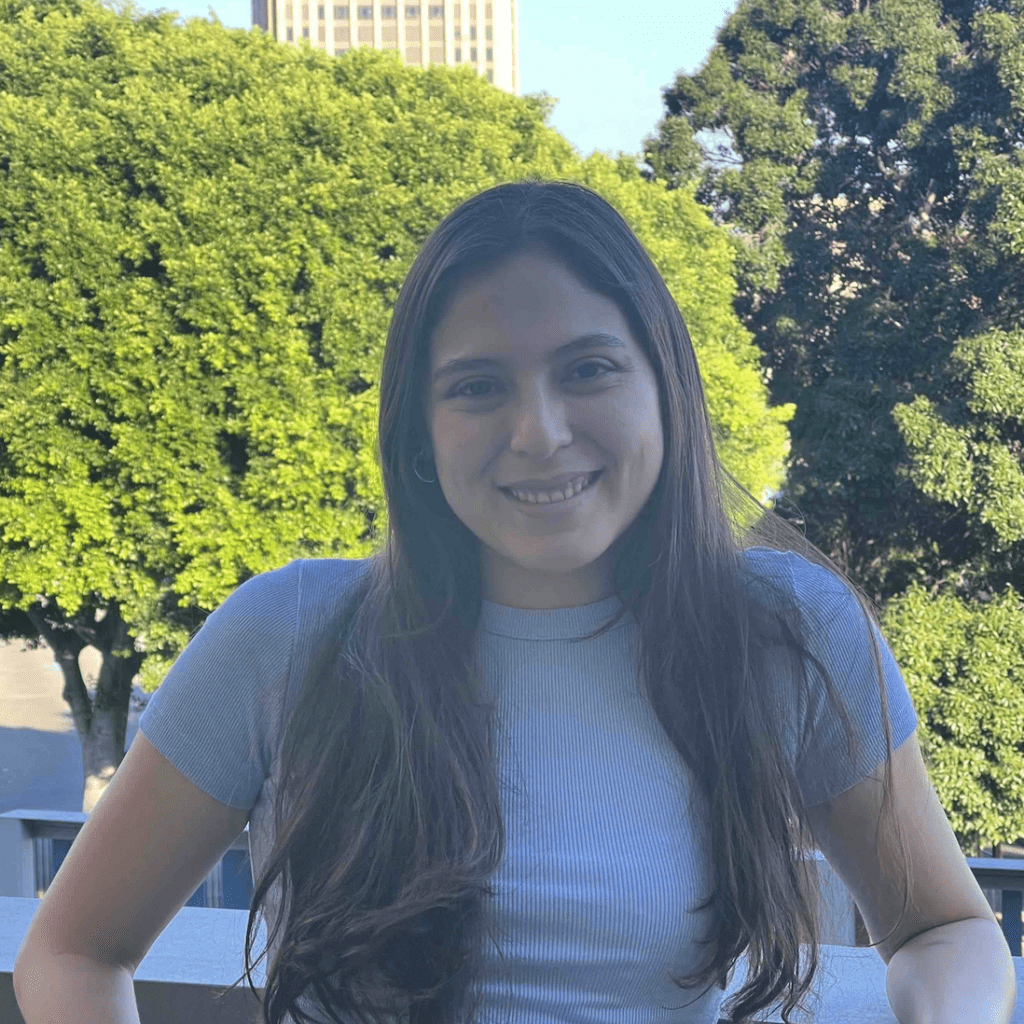
Gabby Pinto
(CS Ph.D.)
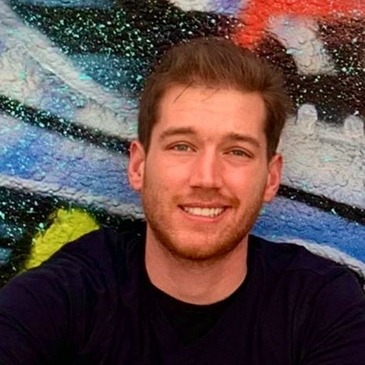
Alex Spangher
(CS Ph.D.)
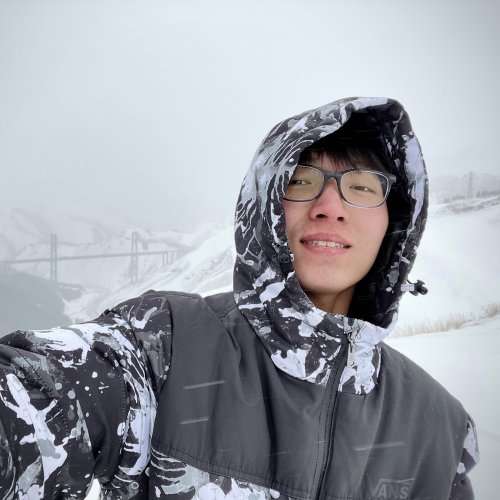
Zituo Wang
(Comm Ph.D.)
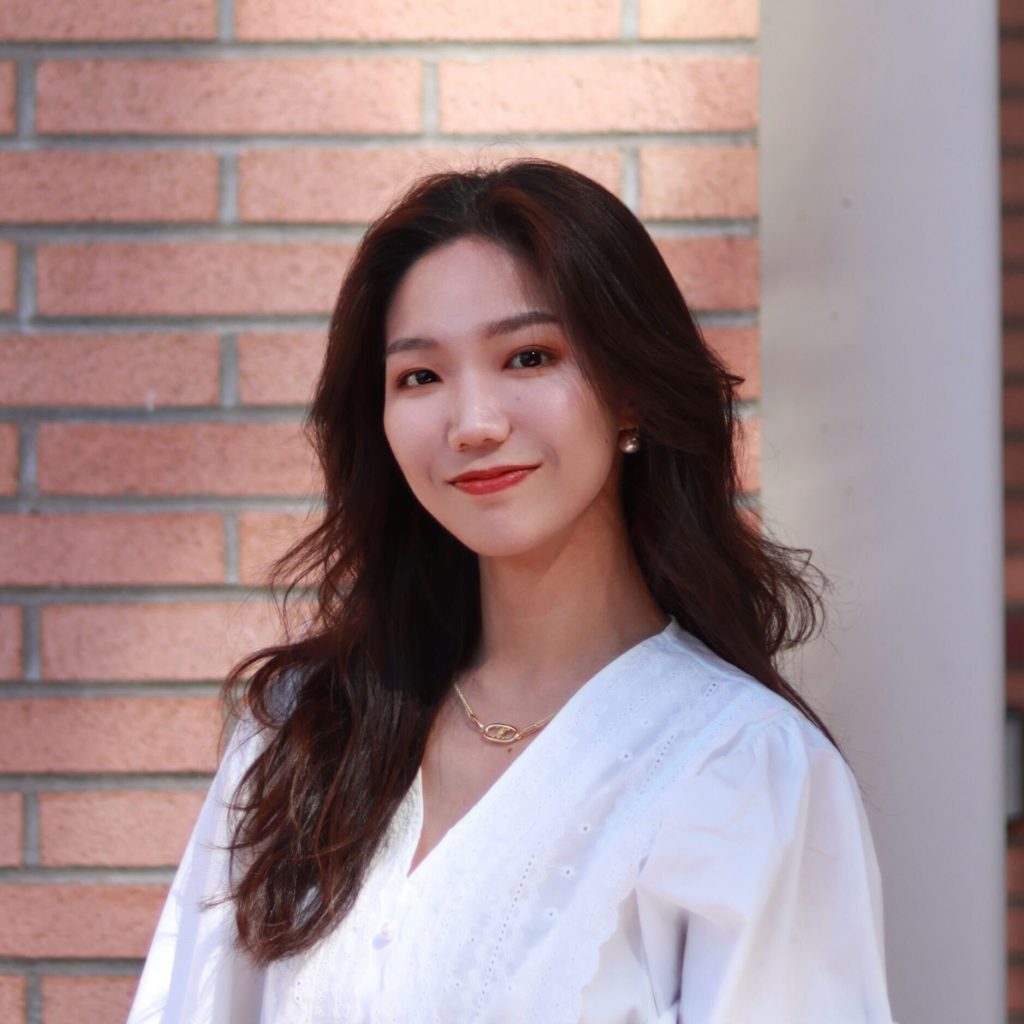
Jinyi Ye
(CS Ph.D.)
Siyi Zhou
(Comm Ph.D.)
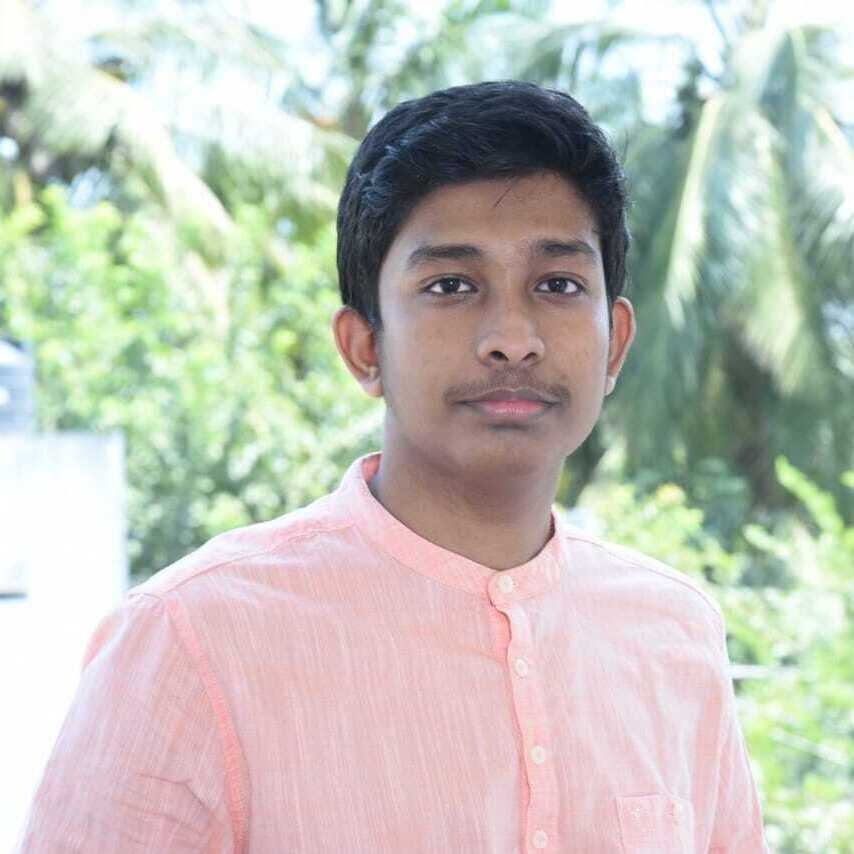
Ashwin Balasubramanian
(CS MSc)
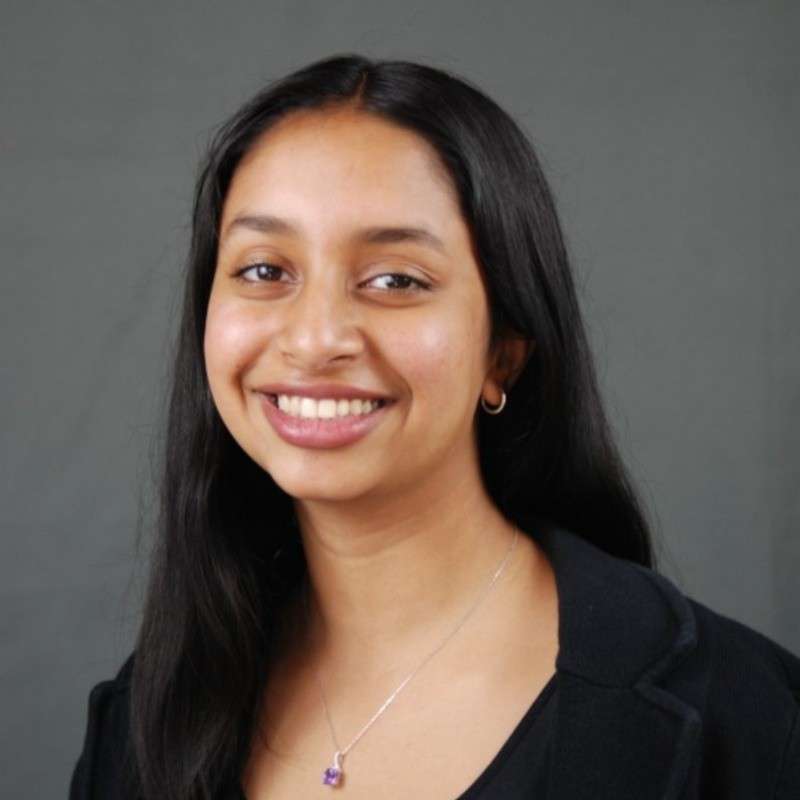
Shreeya Chand
(CS BSc)
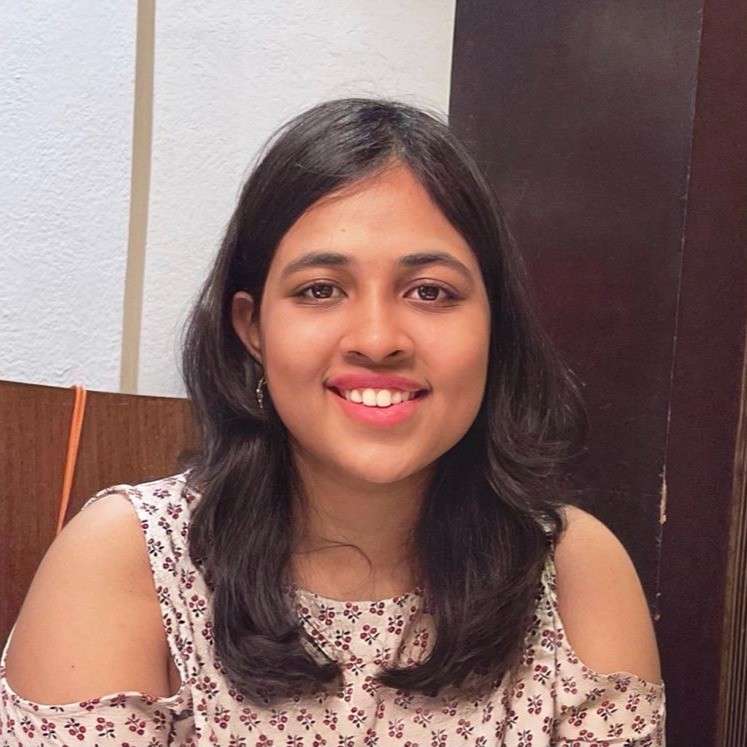
Shireen Chand
(CS MSc)
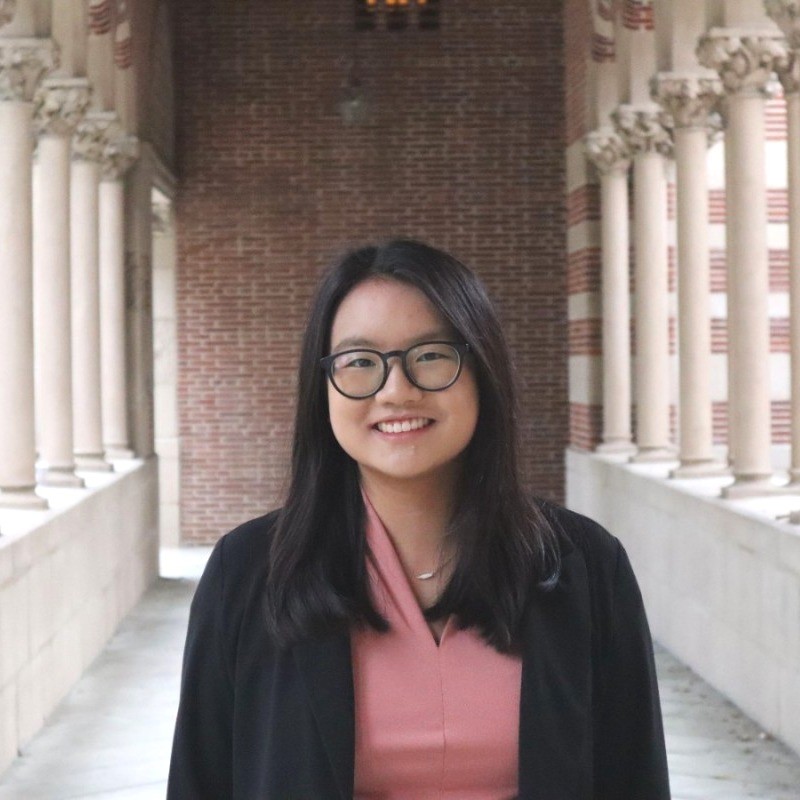
Isabel Epistelomogi
(CS BSc)
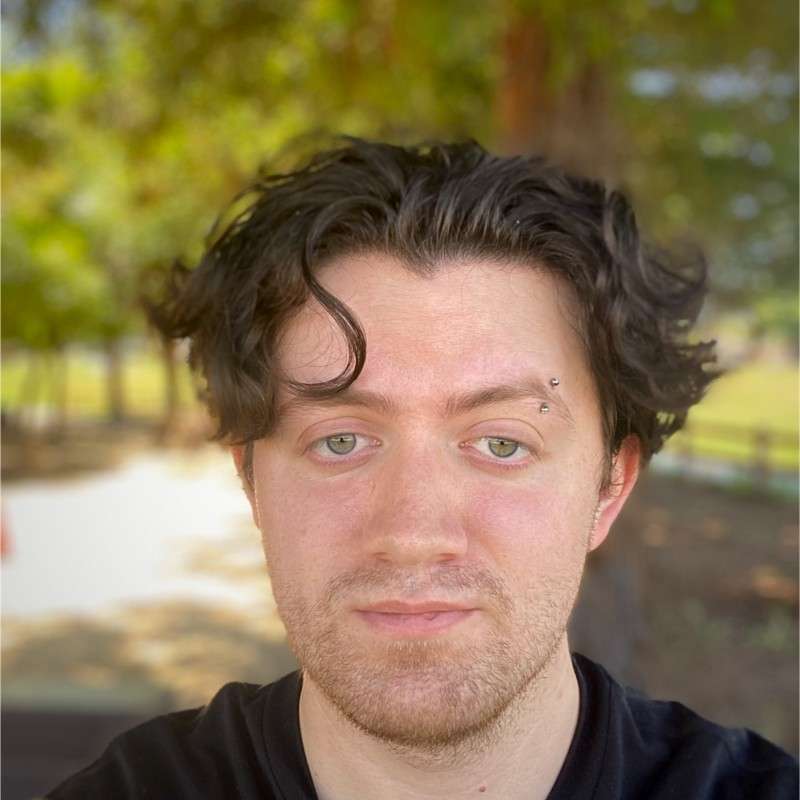
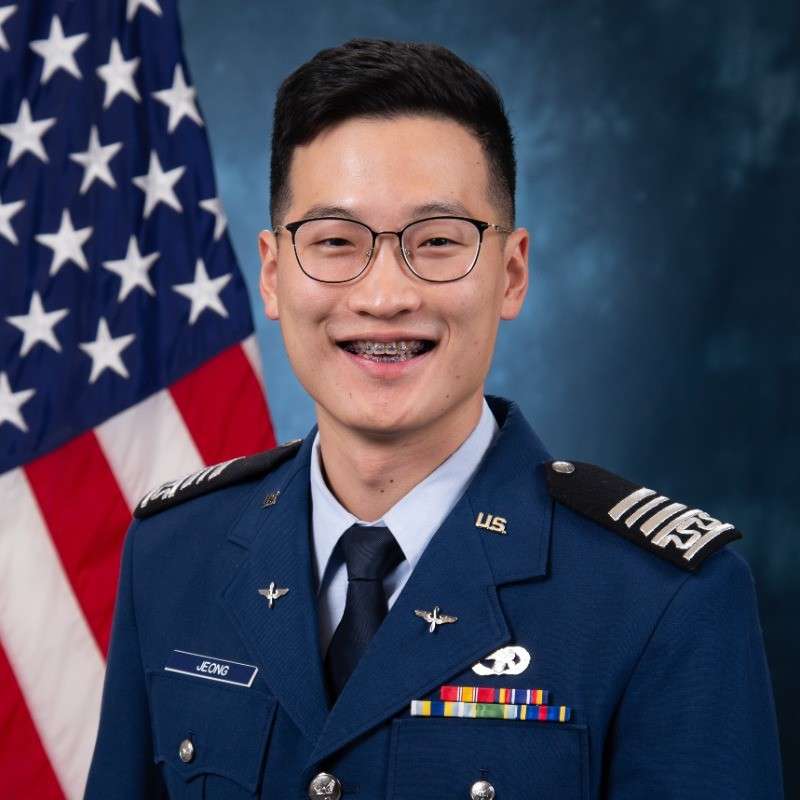
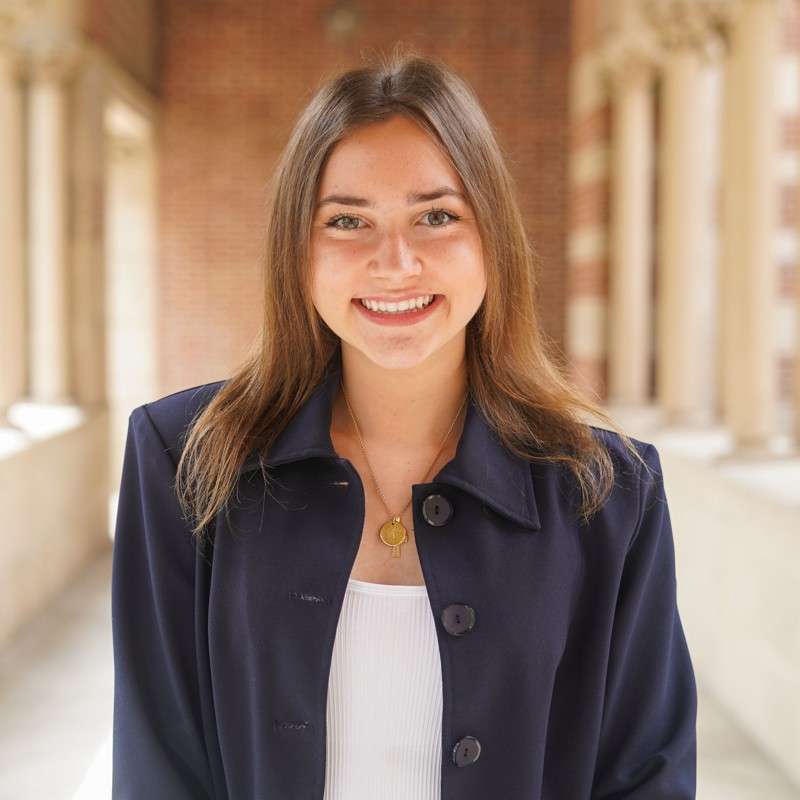
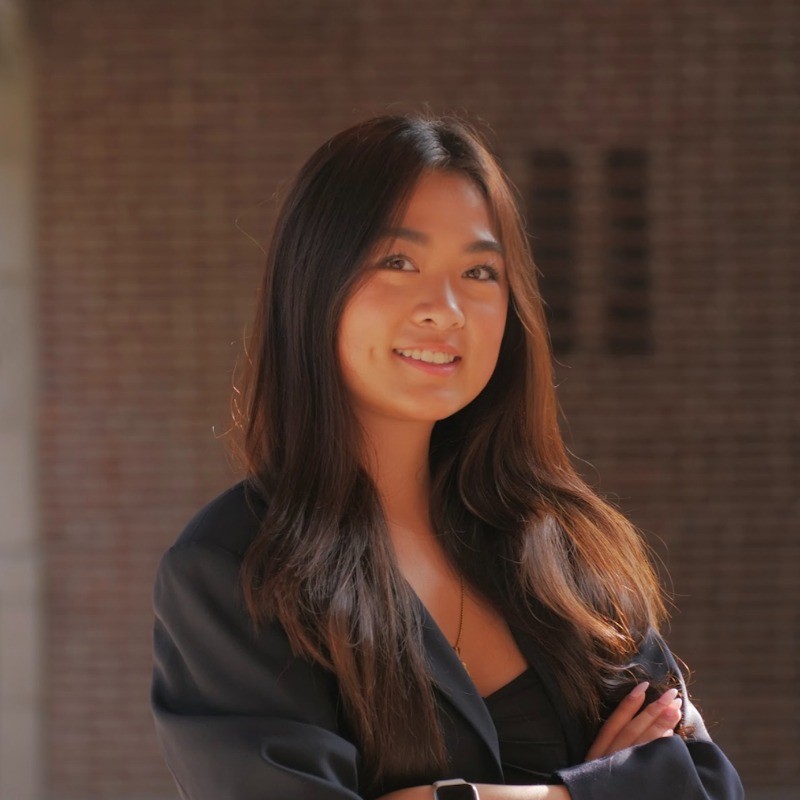
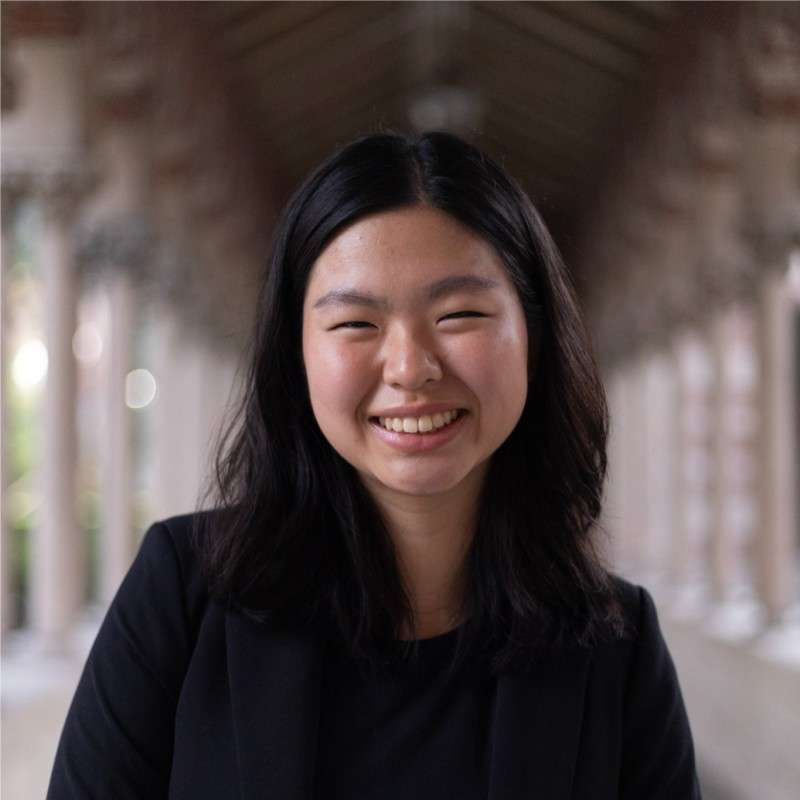
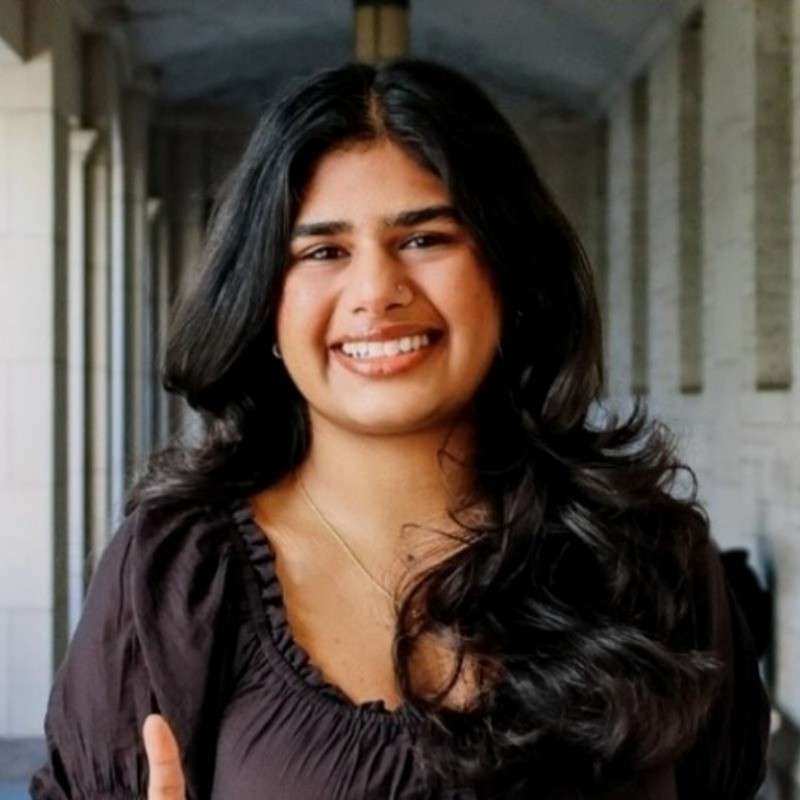
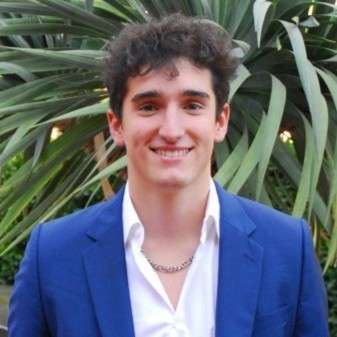
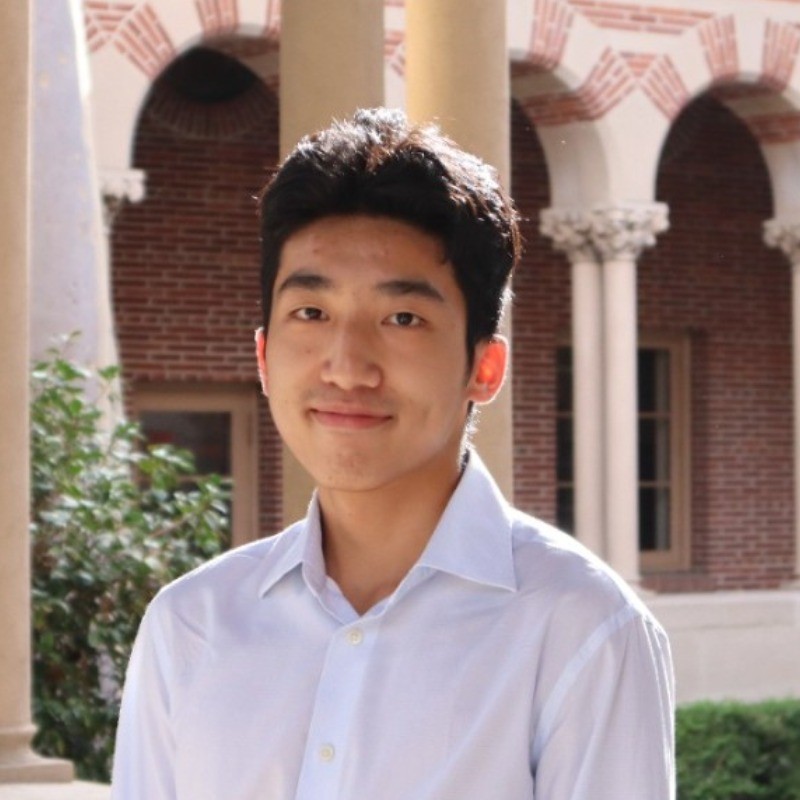
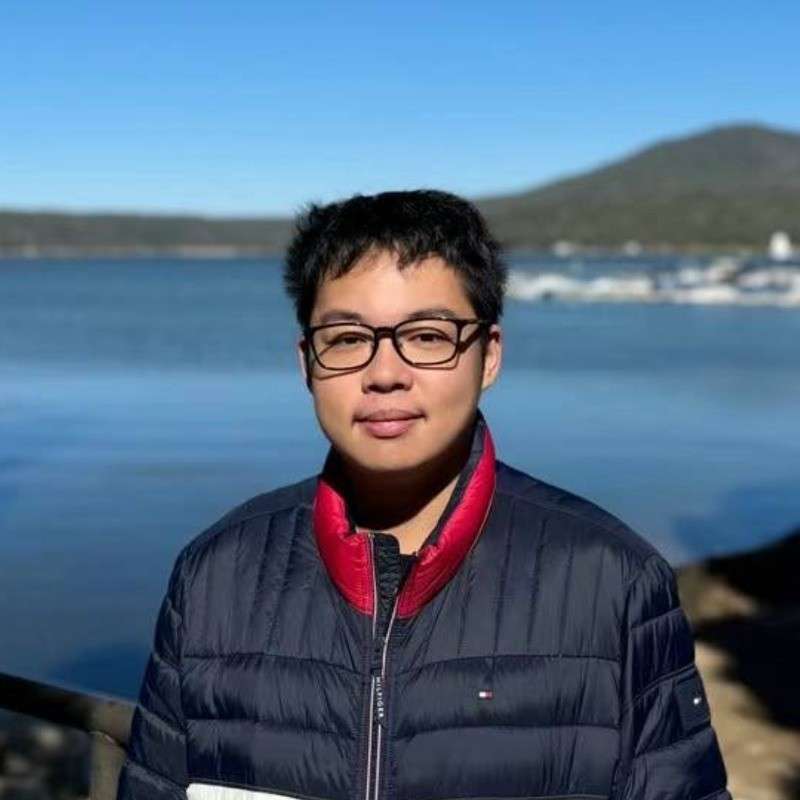

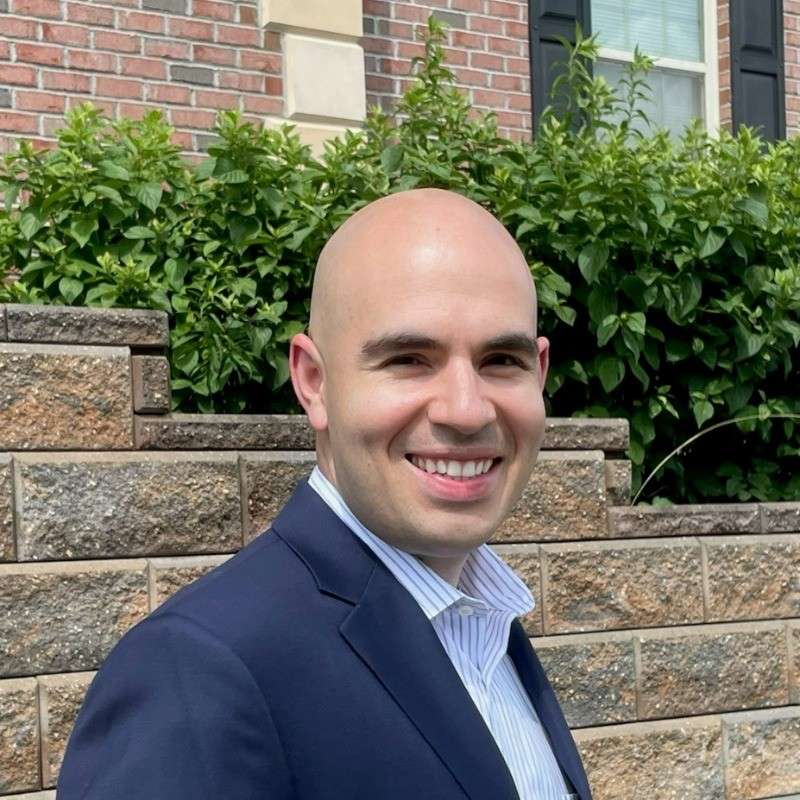
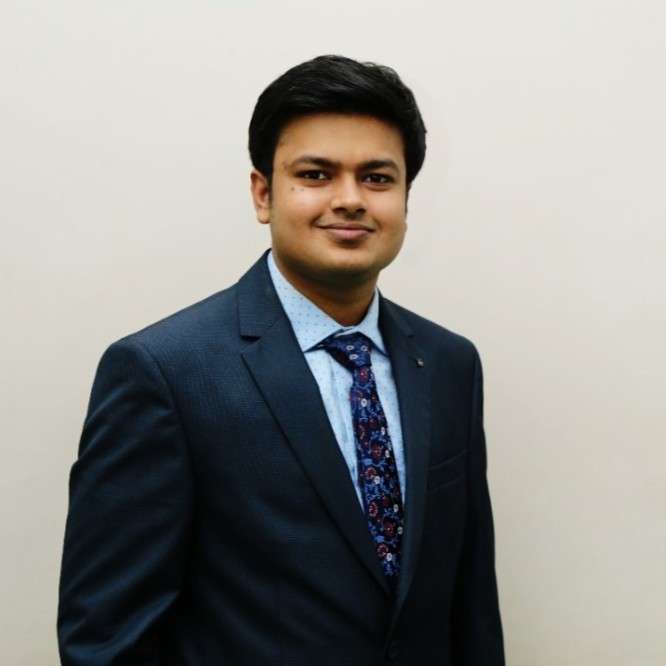


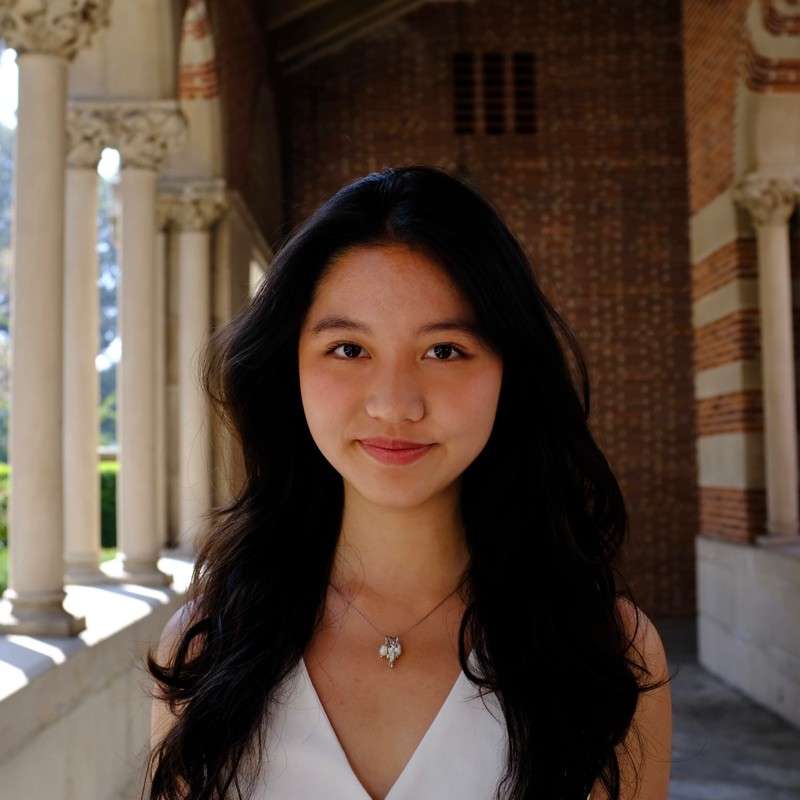
Christina You
(CS BSc)
Vito Zou
(CS BSc)
Alumni Hall of Fame
Former Postdocs

Alessandro Bessi
Director AI R&D
Nextbit AI
Homa Hosseinmardi
Assistant Professor
UCLA
Goran Muric
Principal Scientist
InferLink Corp.
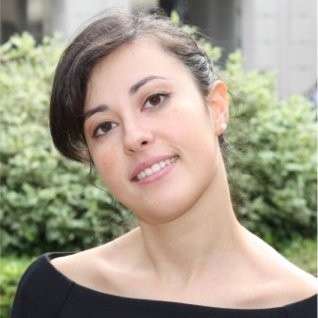
Anna Sapienza
Assistant Professor
University of Copenhagen
Former PhD Students
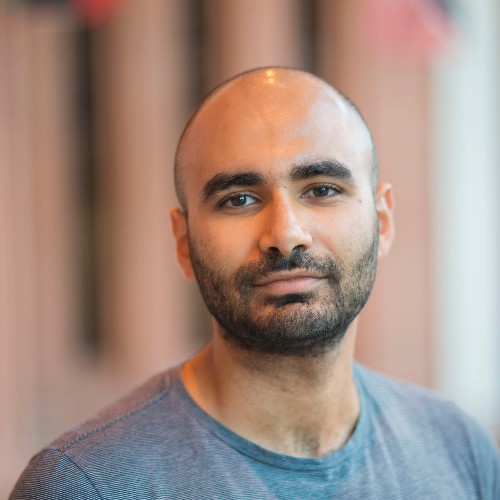
Principal Data Scientist
Capital One
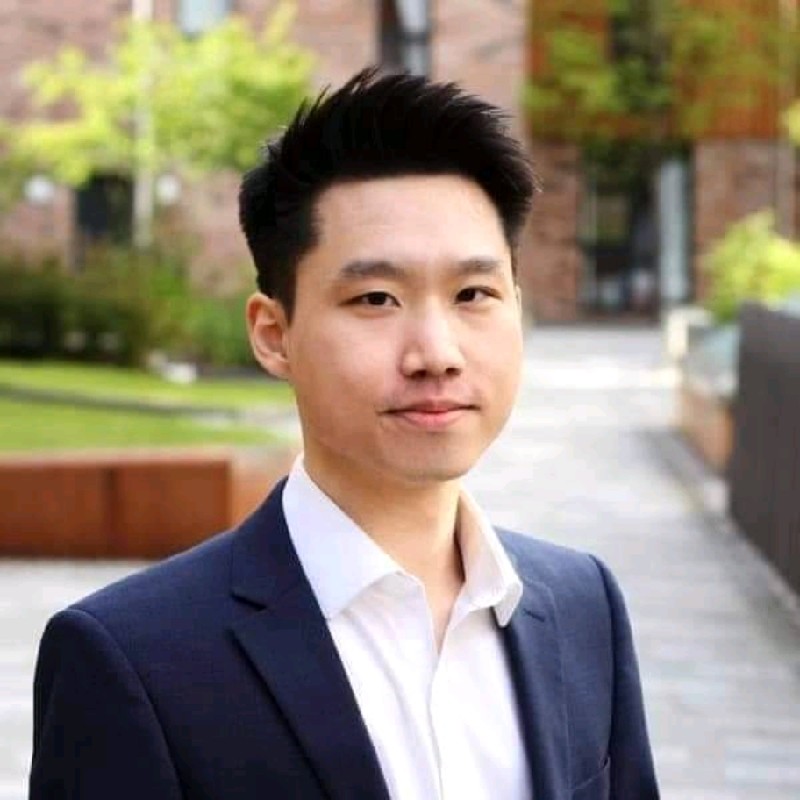
Herbert Chang
Assistant Professor
Dartmouth
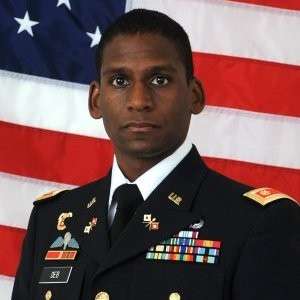
Ashok Deb
Senior Lecturer
West Point
Palash Goyal
Senior Research Scientist
Google Cloud AI Research

Julie Jiang
Research Scientist
Meta
Akira Matsui
Assistant Professor
Yokohama National University
Karishma Sharma
Applied Scientist Amazon
Shen Yan
Research Scientist
Meta
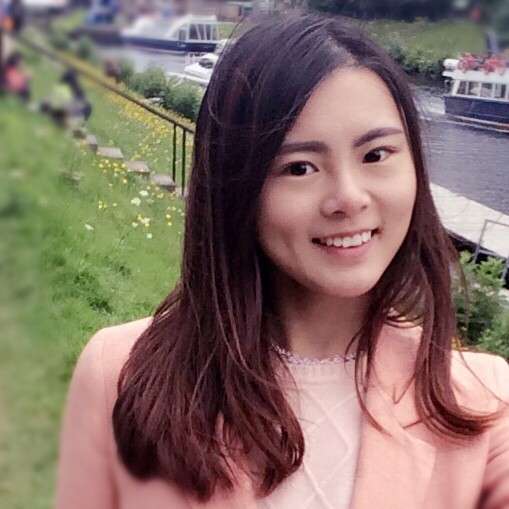
Yilei Zeng
Senior Scientist
Tencent
Other Former Lab Members
(only members with 1+ year of tenure in the lab)
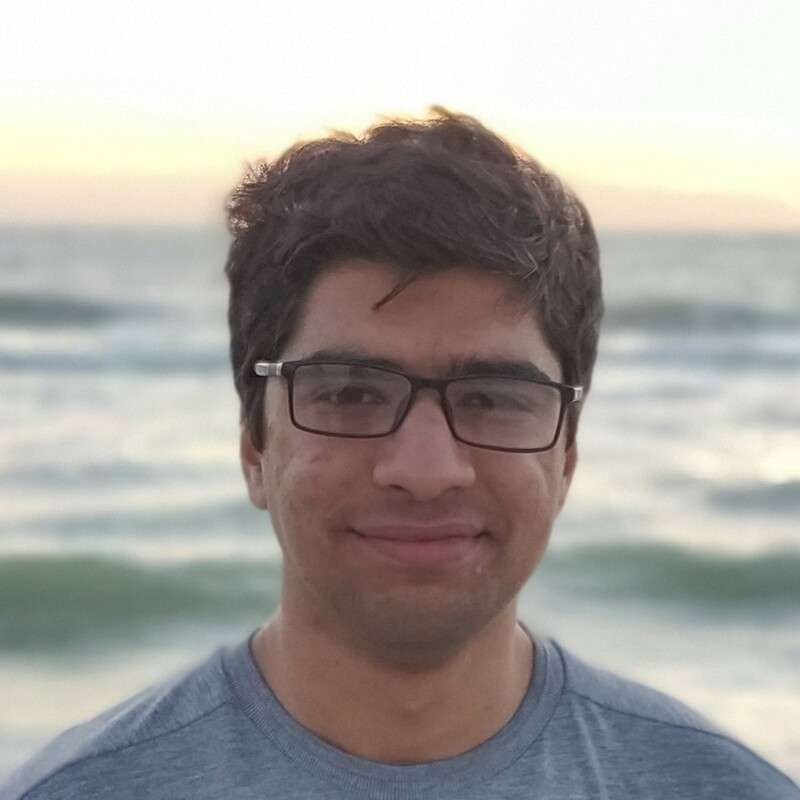
Samar Haider
PhD student
University of Pennsylvania
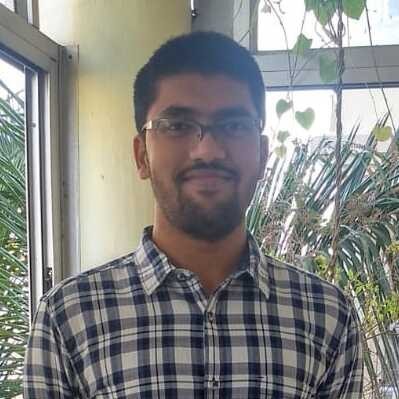
Ankith Mohan
PhD student
Virginia Tech

Zihang Sky E
PhD student
Northwestern University
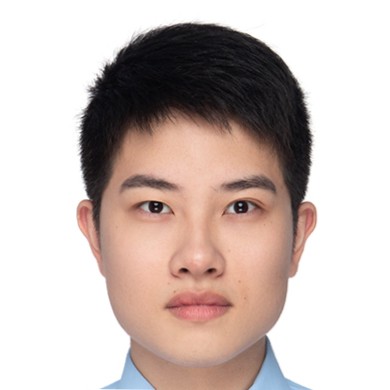
Chiyu Wei
PhD student
Dartmouth College
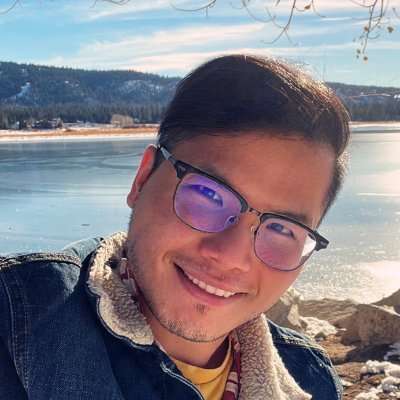
Huy Tran Nghiem
PhD student
University of Maryland
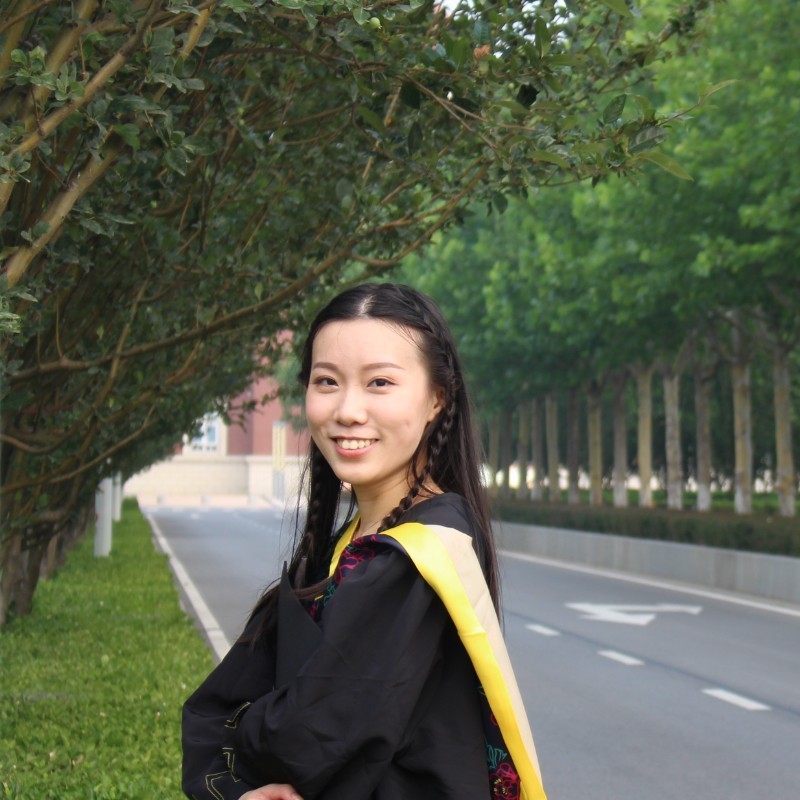
Liuliu Chen
PhD student
University of Melburne
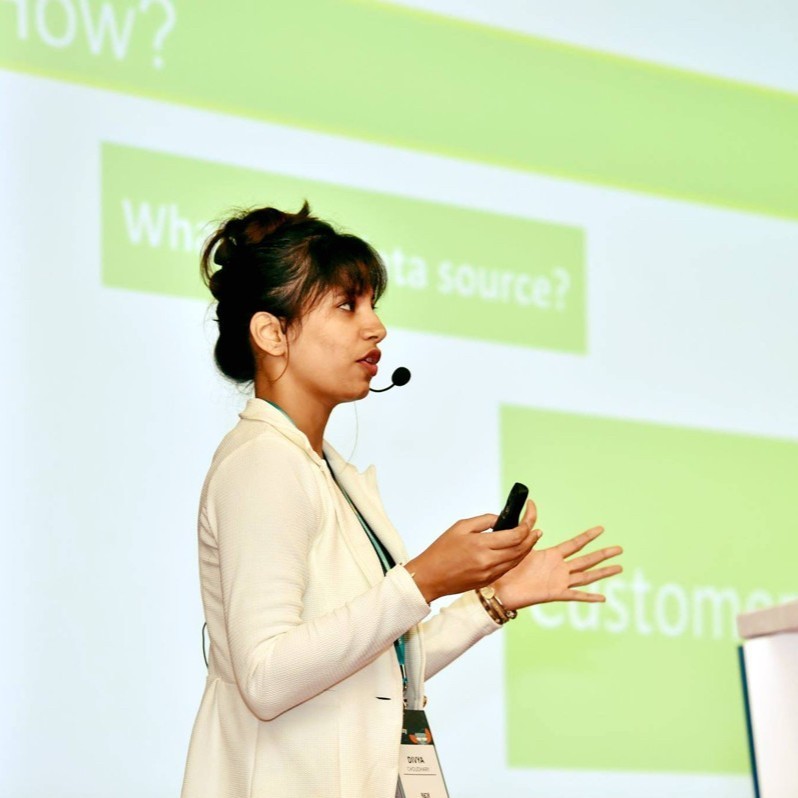
Divya Choudhary
Senior Research Scientist
Samsung Research
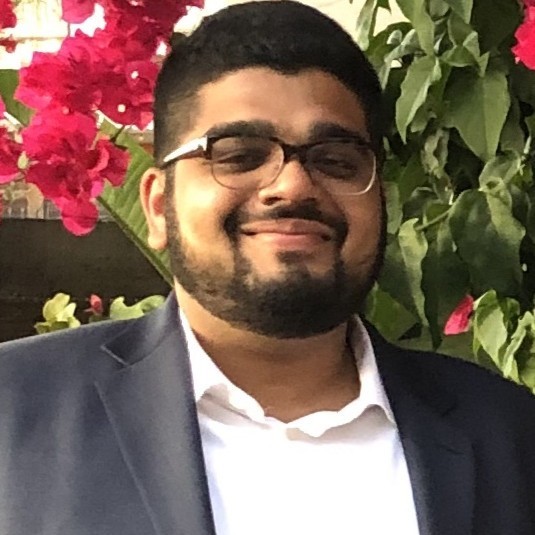
Dhruv Mathew
Machine Learning Engineer
Quantiphi
Yifei Crystal Chen
Data Scientist
Facebook
Jaimin Patel
👨💻 Founder & Builder 👨💻
Caddi
Jinhu Tony Qi
PhD Student
Vandana Sreenivasa Rao
Search
Salesforce
Nikhil Jindal
SDE
Amazon
Vikram Mudaliar
SDE II
Amazon
Aditya Gupta
SDE II
Amazon
Weiwei Zheng
Big Data Developer
Huawei
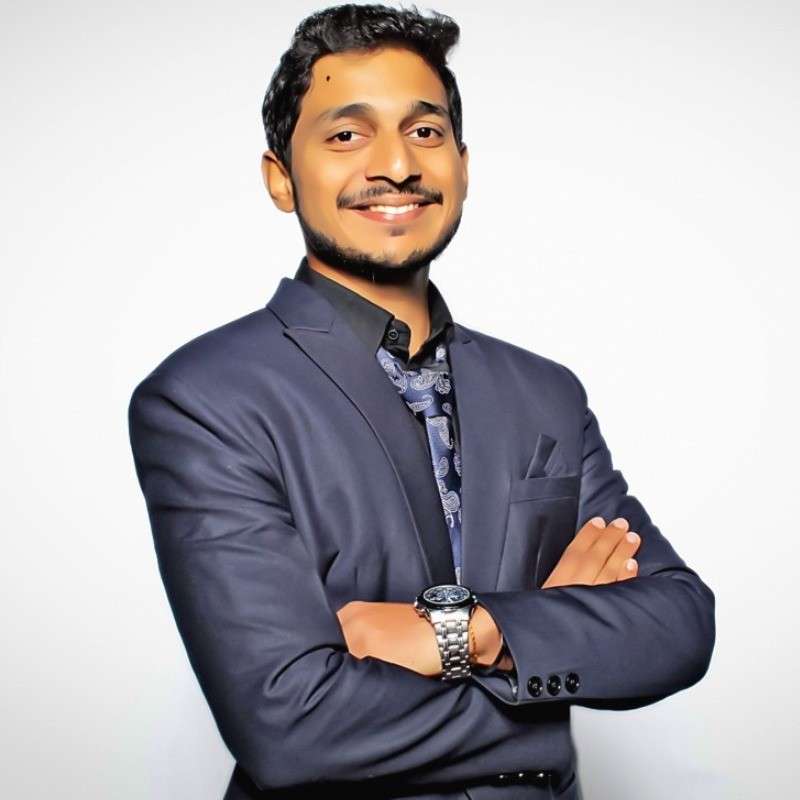
Joyston Menesez
Software Developer
USC School of Social Work
Current Appointments
- Professor of Computer Science (USC Viterbi) (Office SAL 312). By courtesy: Prof. of Preventive Medicine (Keck at USC) and Communication (USC Annenberg)
- Principal Scientist at the USC’s Information Sciences Institute (Office #939 at ISI in Marina del Rey)
- Principal Investigator at the Machine Intelligence and Data Science research group and HUMANS Lab
- Director of the PhD program in Computer Science
- Associate Department Chair, Computer Science
Research Resources
- The datasets adopted in my research on Social Networks are available on request.
- The WERW-Kpath algorithm to compute the Kpath Edge Centrality has been released.
- The CONCLUDE community detection algorithm has been released.
- The Python Data Scientist toolbox is a list of useful resources, tutorials, and libraries to proficiently use Python for Data Science.
